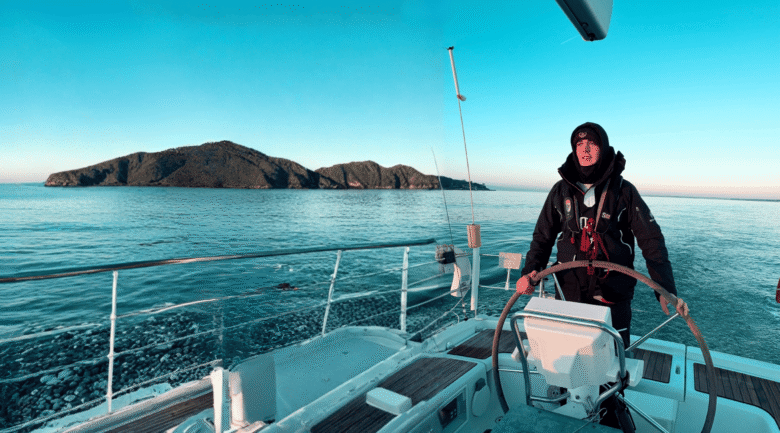
Becoming a dinghy instructor could be the perfect nautical adventure for you if you’ve ever felt the pull of the water and love the feel of the wind in your hair. Not only is sailing a dinghy a fun pastime, but many enthusiasts strive to become proficient at it. A rewarding and interesting professional path can involve teaching people on how to handle these small, agile boats on the water.
Why Become a Dinghy Instructor?
Passion for Sailing: It can be very fulfilling to share your passion for sailing with others, especially if you enjoy the subtleties of manoeuvring a dinghy.
Teaching and Leadership Skills: Being a dinghy instructor requires more than just sailing knowledge; it also requires strong leadership and communication skills. It takes skill to explain complicated ideas in a way that is understandable and accessible to others who are learning to sail.
Community Involvement: Local sailing communities frequently see dinghy instructors as essential members of their team. This can be the ideal fit for you if you like forming relationships and being a part of a close-knit community with a passion for the sea.
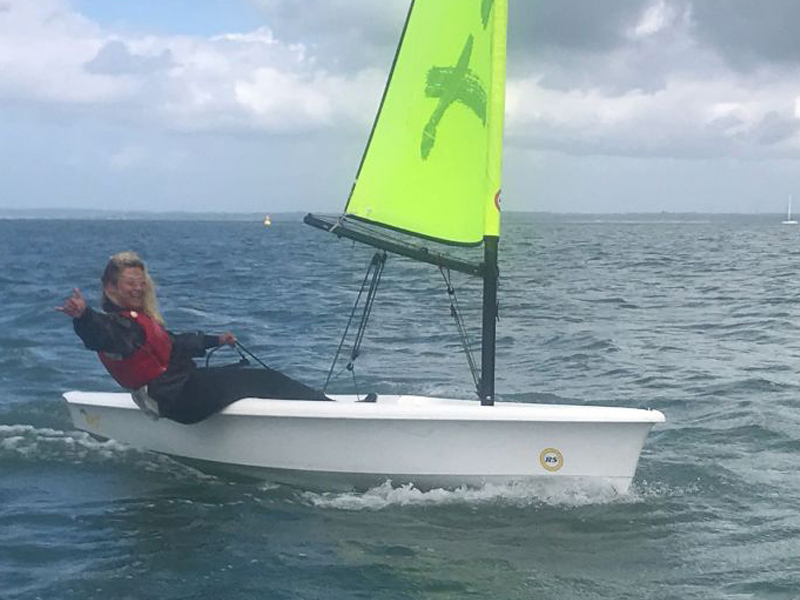
Requirements to Become a Dinghy Instructor
Dinghy instructors must fulfil a number of requirements in order to get certified.
1. Learn the Fundamentals of Sailing
Be sure you have a strong foundation in sailing before starting the path to becoming a teacher. Learn about the various kinds of dinghies, basic navigation, and safety procedures. It’s important to understand the subtle, advanced, or technical aspects of handling a dinghy, in addition to being a skilled sailor.
2. Obtain the Necessary Certifications
You must have certificates from reputable sailing organisations in order to work as a dinghy instructor. For instance, the UK’s Royal Yachting Association (RYA) provides national sailing scheme courses and progressive instructor qualifications that cover teaching strategies, safety precautions, and instructional methodologies.
3. Acquire Real-World Experience
Practical experience is just as important as certification. Spend time sailing in a variety of conditions to hone your abilities and build your self-assurance in managing a range of situations on the ocean. Exceptional teachers are generally distinguished by their practical experience.
4. Get Certified in First Aid
In any activity involving water, safety comes first. You will be in charge of your students’ safety as a dinghy instructor. Having first aid certification is a pre-requisite of becoming an instructor and verifies that you are prepared to deal with crises and offer support when required.
5. Develop Your Communication Abilities
Effective communication is a must for teaching sailing. Focus on improving your capacity to communicate ideas clearly, modify your method and practice of teaching to suit the needs of various students, and establish a stimulating learning atmosphere. Having strong communication abilities is essential for success as an educator.
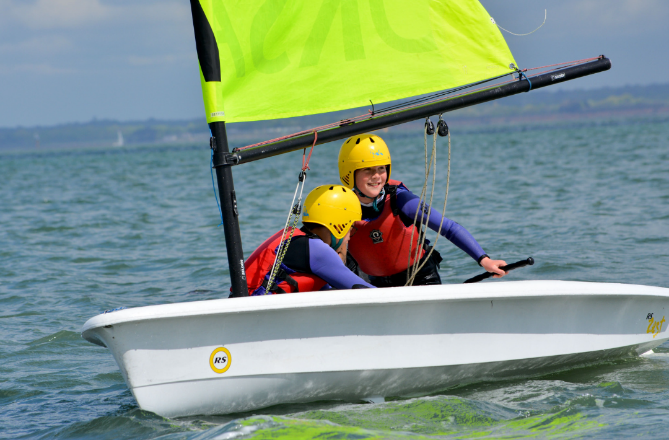
FAQs about Becoming a Dinghy Instructor
How Long Does it take to become a Dinghy Instructor?
Becoming an RYA Dinghy Instructor typically takes 5 days for the instructor course itself but requires several months of prior experience to meet prerequisites. The training consists of a 1-day pre-entry assessment and a 5-day course, focusing on teaching methods and sailing skills.
How Much Do Dinghy Instructors Get Paid?
Dinghy Instructor receive different pay depending on which country you work in. For example, if you work in the UK, you are offered the national minimum wage, and up. Some jobs are seasonal, but some jobs can be full time depending on the centre/sailing club you are working for. If you are to work abroad, depending on which country, you can earn from £750 to £1500 a month, and can travel around the world teaching sailing.
What Can a Dinghy Instructor Teach?
Dinghy instructors are trained to teach a variety of sailing abilities, from the fundamentals to more complex methods for experienced sailors. Boat handling, navigation, safety precautions, and racing tactics may be covered in instruction. Being a dynamic and engaging dinghy instructor is made possible by having a variety of skills.
What Is the Ratio of Dinghy Instructors for RYA?
To guarantee both safe and efficient learning, the RYA upholds strict guidelines on the ratio of teachers to students. The standard instructor-to-student ratio for and RYA Dinighy Instructor course is a maximum of 1:6.
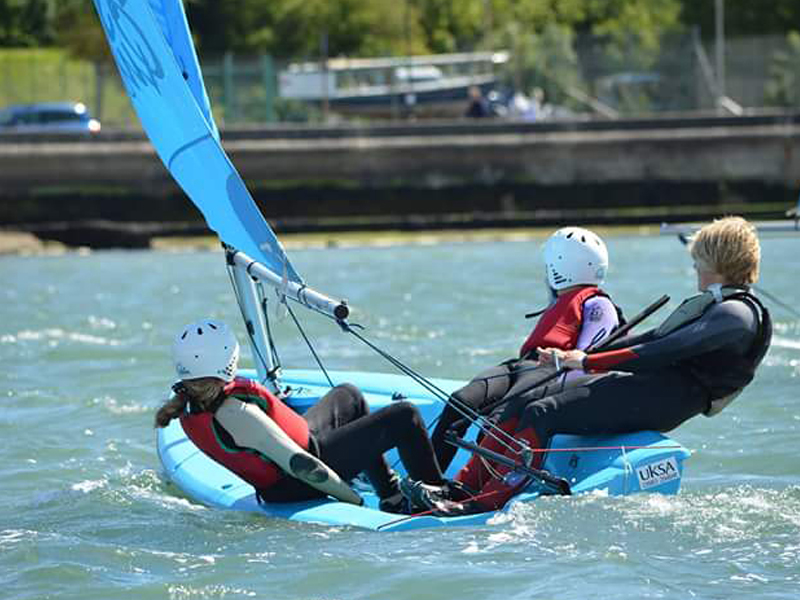
UKSA’s RYA Dinghy Instructor Course
A great place to start if you’re thinking about doing the RYA Dinghy Instructor course is the UK Sailing Academy (UKSA). UKSA, which is renowned for its top-notch training programmes, provides a comprehensive pathway of training that addresses the theoretical and practical aspects of dinghy tuition.
Comprehensive instruction on teaching methods, safety protocols, and practical practice in a range of dinghy scenarios is all included in UKSA’s courses. Modern facilities and a team of expert instructors make up UKSA’s environment, critical for learning and development.
For aspiring dinghy sailors with little previous experience, UKSA’s 11-week Watersports Instructor Training course will teach you everything you need to become a multi-disciplined instructor. For those who have prior experience and hold the required pre-requisites, UKSA’s 6 day RYA Dinghy Instructor course is for you.