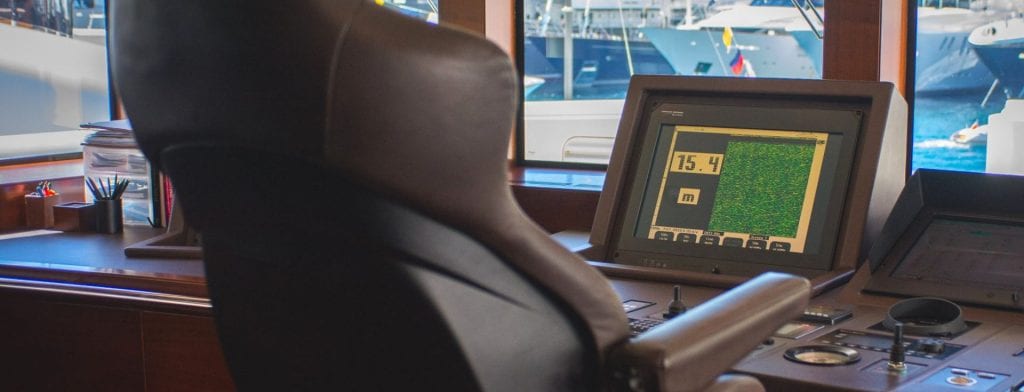
Officer of the Watch (OOW) is a term used in the maritime industry to refer to the officer responsible for the safe navigation and operation of a vessel on the bridge. This role is typically assigned to a qualified deck officer, who has completed the necessary training and certification to assume the responsibilities of an OOW.
The primary responsibility of an OOW is to ensure the safety of the vessel, its crew, and any passengers or cargo onboard. This involves keeping a lookout for other vessels, hazards, and navigational obstacles, monitoring the vessel’s position and speed, and making course adjustments as necessary to maintain a safe and efficient passage.
Officer of the Watch vs Captain
The Officer of the Watch (OOW) is responsible for the safe navigation and operation of the vessel during their watch. They maintain a lookout, monitor position and speed, manage communications, and ensure safe bridge operations. Their authority applies only to the period they are on duty.
The Captain (or Master) has overall command of the vessel at all times. They are legally responsible for the safety of the ship, crew, passengers and cargo, and make final decisions on navigation, operations, and compliance with regulations.
In short:
-
OOW – Manages the bridge during their watch.
-
Captain – Holds full authority and overall responsibility for the vessel.
Officer of the watch duties
Other duties of an OOW may include communicating with other vessels, monitoring weather conditions, maintaining logs and records, and supervising the activities of the bridge team. In some cases, the OOW may also be responsible for managing the vessel’s navigation and communication equipment, as well as overseeing the operation of the ship’s engines and other systems.
Overall, the Officer of the Watch is a critical role on any vessel, responsible for ensuring that the vessel navigates safely and efficiently through a wide range of challenging and sometimes unpredictable conditions.
Officer of the Watch Salary (UK)
OOW salaries in the UK depend on vessel type, experience, and sector.
Yacht sector:
-
Entry-level OOW: £28,000–£38,000
-
Experienced OOW / larger vessels: £40,000–£55,000+
Superyachts may also include accommodation, food, flights, and tips.
Commercial sector:
-
OOW Deck (starting): £30,000–£45,000
-
Experienced OOW: £45,000–£60,000
Actual earnings vary by employer and contract, but these ranges cover typical UK expectations.
Qualifications & Training to become an Officer of the Watch
To become an Officer of the Watch (OOW), you need to have the required qualifications and training. The specific requirements may vary depending on the country and the type of vessel you wish to work on. However, here are some general requirements:
-
- OOW Training: You must complete an Officer of the Watch training programme. This may be provided by your employer or a maritime training academy. The training programme covers navigation, ship handling, communications, and other related topics.
-
- STCW Certificates: You must have completed the Standards of Training, Certification and Watchkeeping for Seafarers (STCW) training. This includes Basic Safety Training, Advanced Fire Fighting, Personal Survival Techniques, and Medical First Aid.
-
- Sea Time: You need to have completed a specific amount of sea time, depending on the country and the vessel. Generally, you will need at least 12 months of sea time, including six months of watchkeeping.
-
- Health and Fitness: You must pass a medical examination to ensure you are physically and mentally fit to work on a ship.
-
- Other Requirements: You may need to meet other requirements, such as age limits and language proficiency, depending on the country and vessel.
Once you have met these requirements, you can apply for an Officer of the Watch license from your country’s maritime authority. If you’re interested in working as an Officer on Watch for vessels up to 3000gt, see our MCA Officer of the Watch Yachts less than 3000gt course.