From £
West Cowes, Isle of Wight
Coastal Skipper / Yachtmaster Offshore Shorebased
Advanced training for more experienced skippers building on the RYA Day Skipper qualification. This course equips you to navigate safely on coastal and offshore passages.
About the Course
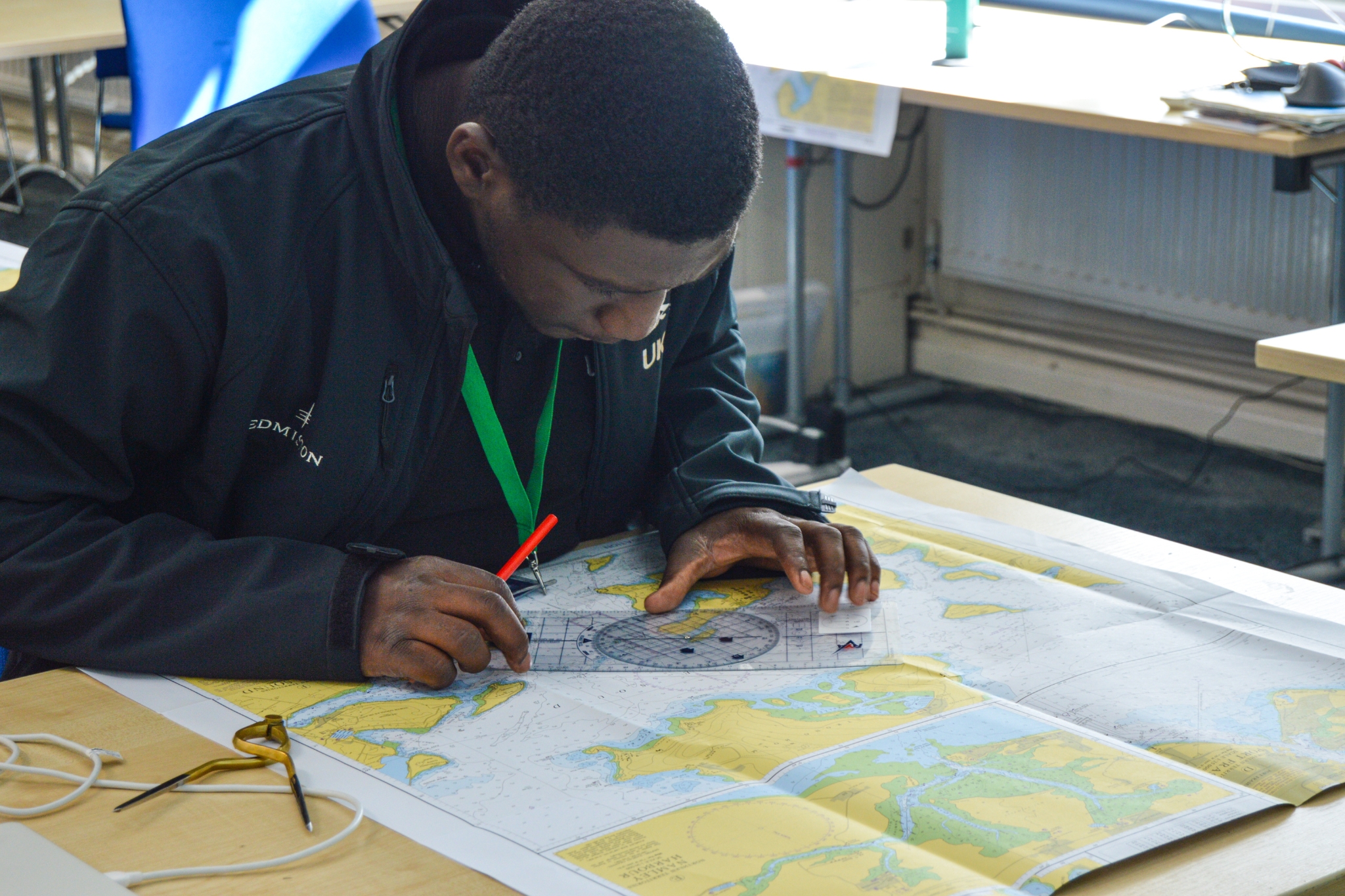
The Coastal Skipper / Yachtmaster Offshore Shorebased course covers all of the theory knowledge to the standard required for the Yachtmaster Coastal and Yachtmaster Offshore practical exams, concentrating on advanced navigation and meteorology skills.
The course includes:
- position fixing
- course shaping and plotting
- tidal knowledge
- use of almanacs and admiralty publications
- electronic position finding equipment
- taking and interpreting forecasts
- plotting weather systems
- weather predictions using a barometer and by observation
- collision regulations
- customs and excise regulations for cruising abroad
Successful completion of RYA Day Skipper Shorebased course or a level of Navigational knowledge up to RYA Day Skipper level (Please assess your level of knowledge against the RYA Day Skipper Shorebased course syllabus).
Assessment is by written 2.5-hour examination at the end of the module. A 60% mark is required to pass the examination.
-
Position
- Understand dead reckoning and estimated position
- Understand satellite-derived position
- Use of waypoints
- Radar fixes
- Techniques of visual fixing
- Understand fixes using a mixture of position lines
- Relative accuracy of different methods of position lines
- Understand areas of uncertainty
The magnetic compass
- Allowance for variation
- Understand change of variation with tie and position
- Understand causes of deviation
- Swing for deviation (but not correction)
- Allowance for deviation
- Different types of compass
Tides
- Causes of tides – Springs and Neaps
- Tide tables – sources
- Tidal levels and datum
- Standard and secondary ports
- Tidal anomalies
Tidal streams
- Sources of tidal information
- Tidal stream information in sailing directions and yachtsmen’s Almanacs
- Allowance for tidal stream in computing a course to steer
- Tide rips, overfalls and races
- Tidal observation buoys, beacons etc
Buoyage
- IALA system buoyage in Region A
- Limitations of buoys as navigational aids
Lights
- Understand characteristics
- Ranges – visual, luminous and nominal
- Rising and dipping distances
- Light lists
Pilotage
- Harbour regulations and control signals
- Methods of pre-planning
- Clearing lines
- Use of soundings
- Transits and leading lines
GPS and chart plotters
- Principles of operation and limitations of use
- Raster and vector charts
- Understand datum
- Importance of confirmation of position by an independent source and keeping a separate record of position
- Importance of paper charts
Echo sounders
- Principles of operation and limitations of use
Logs (speed and distance measuring)
- Principles of operation and limitation of use
Deck log
- Importance of log as yachts official document
- Layout of log, hourly and occasional entries
Meteorology
- Understand basic terms, the Beaufort scale
- Air masses
- Cloud types
- Weather patterns associated with pressure and frontal systems
- Sources of weather forecasts
- Ability to interpret a shipping forecast, weatherfax and weather satellite information
- Land and sea breezes
- Sea fog
- Use of a barometer as a forecasting aid
Rules of the road
- A sound knowledge of the International Regulations for Preventing Collisions at Sea, except Annexes 1 and 3
Safety at sea
- Personal safety, use of life-jackets, safety harnesses and lifelines
- Fire prevention and fire fighting
- Distress signals
- Coastguard and Boat Safety Scheme
- Preparation for heavy weather
- Life-rafts and helicopter rescue
- Understanding of capabilities of vessel and basic knowledge of stability
Navigation in restricted visibility
- Precautions to be taken in fog
- Limitations to safe navigation imposed by fog
- Navigation strategy in poor visibility
Passage planning
- Preparation of charts and notebook for route planning and making, and use at sea
- Custom regulations as they apply to yachts
- Routine navigating in coastal waters
- Strategy for course laying
- Use of waypoints and routes
- Use of weather forecast information for passage planning strategy
- Sources of local and national regulations
Marine environment
- Responsibility to minimise pollution and protect the marine environment
Upcoming dates for RYA Coastal Skipper / Yachtmaster Offshore -Shorebased
| Start date → End date | Course only price | Residential price |
|---|
Why Train with UKSA
UKSA has been successfully training and launching careers for over 35 years. As an industry leader, we pride ourselves on the winning combination of high standards and top-level industry experience delivered to our students.
-
All-inclusive FacilitiesAll of our courses are available with all-inclusive accommodation and meals, allowing you to focus on your studies.
-
RYA ApprovedAs the world’s largest RYA training centre, UKSA deliver a range of courses training individuals to enter the industry in a variety of roles.
-
Expert TrainingOur instructor team consists of highly skilled industry experts who bring their expertise and experience to enhance your learning.
Related Courses
RYA Day Skipper Shorebased
From £520
RYA Diesel Engine Maintenance
From £150
Start your engineering career with our RYA Diesel Engine Maintenance course, and learn the basic knowledge needed to fix minor problems with confidence.
RYA Marine Radio Short Range Certificate
From £150
This course will equip you with the knowledge and confidence you need to communicate effectively on a VHF radio, from basic controls through to making May Day distress calls.
RYA Yachtmaster Ocean Shorebased
From £625
Suitable for competent navigators planning an ocean passage, or those interested in offshore navigation. 6-day course. Incl. food & accommodation.Courses accredited by
Our registrations

